As the world becomes more focused on tackling climate change and environmental degradation, the travel industry is experiencing a significant shift toward sustainability. Modern travelers, especially millennials and Gen Z, are increasingly looking for products that not only serve their purpose effectively but also help protect the planet. In response to this demand, packing cubes, a popular travel accessory, are undergoing a major transformation.
Traditionally made from synthetic materials, packing cubes are essential tools that help travelers organize their luggage efficiently. However, as travelers seek more eco-conscious solutions, manufacturers are introducing sustainable packing cubes that promise not only to enhance travel convenience but also to reduce environmental impact. This shift is especially important for packing cubes wholesale suppliers, who are adapting to meet the growing demand for eco-friendly travel gear.
In this article, we’ll explore the key aspects of eco-friendly packing cubes, focusing on their materials, manufacturing processes, and how they fit into the growing trend of sustainable travel. From recycled fabrics to biodegradable designs, the demand for environmentally responsible travel gear is reshaping the travel accessory market, especially for packing cubes wholesale distributors. As more travelers prioritize sustainability, the packing cubes wholesale industry is poised to play a pivotal role in promoting greener travel solutions.
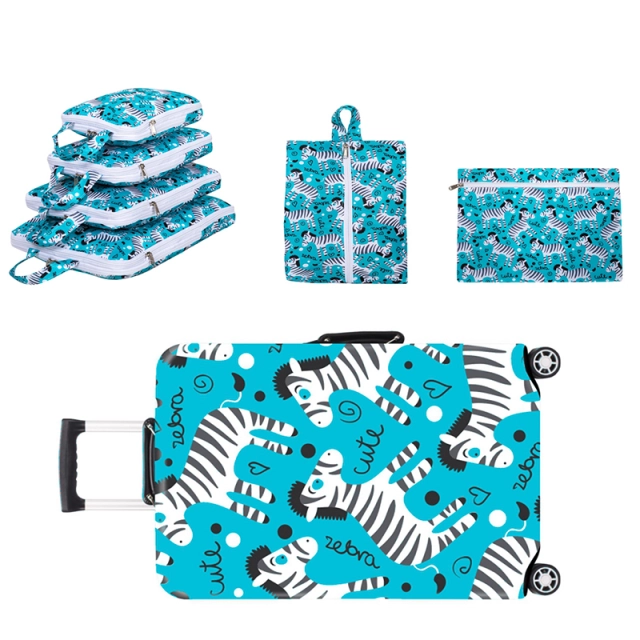
The first step in creating eco-friendly packing cubes is sourcing materials that are sustainable and responsible. Traditionally, packing cubes were made from polyester, a synthetic material derived from petroleum, which can take hundreds of years to decompose in landfills. However, manufacturers are now turning to more eco-friendly materials to meet the growing demand for sustainable travel accessories.
One of the most popular alternatives is recycled polyester (rPET). Made from post-consumer waste, such as plastic bottles, rPET significantly lowers the carbon footprint of production by reducing the need for virgin plastic. By using recycled polyester, manufacturers can repurpose plastic waste, turning it into high-quality, durable packing cubes. This process not only contributes to reducing plastic waste but also uses fewer resources and energy compared to producing virgin polyester.
Additionally, organic cotton is another environmentally friendly option. Unlike conventional cotton, which requires significant water, pesticides, and synthetic fertilizers, organic cotton is grown without these harmful chemicals. This makes it a more sustainable choice for packing cube manufacturers, especially when paired with eco-friendly farming practices.
For bulk packing cubes wholesale suppliers, offering a range of eco-friendly material options can attract both businesses and consumers who are looking for sustainable travel accessories. This shift toward using eco-conscious materials presents an exciting opportunity to cater to the market of environmentally aware travelers.
Once eco-friendly materials are sourced, the next step is improving the manufacturing processes. Traditionally, synthetic textile production has been resource-intensive, requiring large amounts of water and chemical treatments. However, there are now more sustainable production methods in place to reduce the environmental impact.
One significant development is the use of waterless dyeing technology. Traditional dyeing processes consume vast amounts of water, and the chemicals used often pollute waterways. Waterless dyeing technologies, such as air dyeing and supercritical CO2 dyeing, use little to no water and significantly reduce pollution and water consumption.
Additionally, many manufacturers are moving toward using renewable energy sources and energy-efficient machines in production. By integrating these green manufacturing practices, packing cube manufacturers are not only lowering their environmental impact but also offering products that are more sustainable for eco-conscious consumers.
After a packing cube has served its purpose, the next important consideration is its end-of-life. Many traditional packing cubes are made from synthetic materials that do not biodegrade, leading to significant environmental harm when discarded. As a result, biodegradability is a critical factor in creating sustainable travel accessories.
Packing cubes made from organic cotton, hemp, or biodegradable plastics break down naturally over time without leaving harmful residues. These materials are compostable or can safely decompose, reducing the long-term environmental impact.
Some manufacturers are even exploring biodegradable coatings that allow packing cubes to be water and dirt-resistant while still breaking down when they reach the end of their lifecycle. These innovations ensure that even after the product is no longer in use, it won't contribute to the growing problem of plastic waste.
For businesses buying bulk packing cubes, focusing on products that are biodegradable or compostable is an attractive selling point, particularly for eco-conscious customers. This focus ensures that the products won’t harm the environment once their useful life has ended.
Sustainability is not just about using eco-friendly materials; it also means making products that last. A durable packing cube reduces the need for frequent replacements, which helps minimize waste. Products that are made to last longer contribute to a more sustainable world by reducing the amount of waste that ends up in landfills.
High-quality materials, such as ripstop nylon or woven fabrics, are known for their durability. They ensure that the packing cubes can withstand the rigors of travel, helping travelers keep their luggage organized without the need to replace the cubes frequently. Manufacturers focusing on reinforced stitching, strong zippers, and durable finishes will produce packing cubes that stand the test of time, contributing to long-term sustainability.
In today’s world, consumers are more conscious about the ethical implications of their purchases. They want to know where their products are made, who makes them, and how the materials are sourced. For this reason, transparency is key for businesses in the eco-conscious market.
Many manufacturers are now providing detailed information about their supply chains, sourcing, and manufacturing practices. Third-party certifications, such as Fair Trade or OEKO-TEX (for chemical-free textiles), also help build trust with consumers.
For wholesale packing cube suppliers, choosing manufacturers with transparent, ethical supply chains is an essential step in appealing to today’s eco-aware consumer.
The concept of circular design is gaining momentum in many industries, including the packing cube market. This design philosophy focuses on creating products that are recyclable, reusable, or can be repurposed once they reach the end of their lifecycle.
For packing cubes, this could involve designing products that are easy to disassemble, so the materials can be separated and recycled properly. Some manufacturers even offer take-back programs where customers can return old products for upcycling or recycling.
Circular design helps reduce the need for constant production and minimizes waste. For packing cubes wholesale suppliers, this approach could present an opportunity to offer products that align with a sustainable future and meet the demand for eco-friendly travel accessories.
The demand for eco-friendly travel accessories is growing rapidly, and packing cubes made from sustainable materials are becoming increasingly popular. Travelers are eager to find products that align with their environmental values, and eco-conscious products are a perfect fit for this demand.
For businesses sourcing bulk packing cubes, this is a great opportunity to cater to the increasing number of consumers seeking sustainable options. By offering eco-friendly packing cubes, companies can meet the needs of a market that is becoming more focused on sustainability.
The packing cube industry is evolving rapidly as the demand for sustainable products continues to rise. By adopting eco-friendly materials, sustainable manufacturing processes, and ethical supply chain practices, packing cube manufacturers are helping reduce the environmental impact of travel accessories. For businesses in the B2B space, offering eco-conscious products is a way to meet the needs of a growing market. Companies like Justop are already leading the way by offering bulk packing cubes made from recycled materials and durable fabrics, offering an excellent solution for businesses and consumers who want to reduce their environmental impact.